
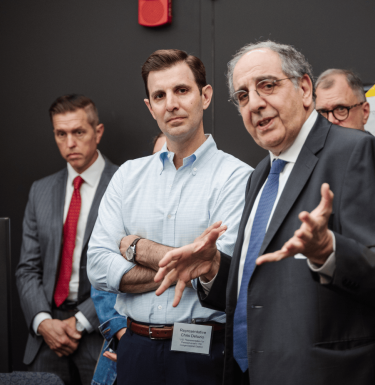
Rehabilitation Technology Research on Display for Congressional Visit
Pitt hosted U.S. Representative Chris Deluzio for a tour of the UPMC Vision Institute to see demonstrations of a wide range of ongoing physical rehabilitation research projects that have the potential of assisting United States veterans.
WVU, Pitt, and CMU Lead Regional Consortium Selected as NSF Semifinalist for Transformative Energy Initiative
A regional innovation consortium led by West Virginia University (WVU), the University of Pittsburgh (Pitt), Carnegie Mellon University (CMU), and United States Research Impact Alliance (USRIA), has been selected as a semifinalist for the prestigious National Science Foundation (NSF) Regional Innovation Engines $160M funding opportunity aimed at driving economic transformation through technological innovation.
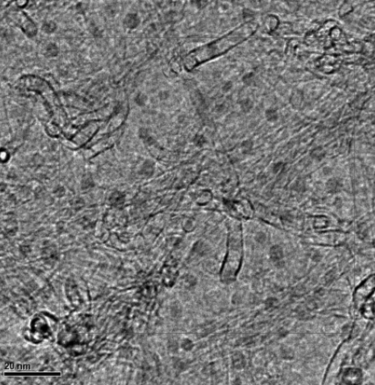
NSF Grant to Improve Nanomanufacturing
While nanoscale manufacturing is essential for many emerging devices, the process can be unpredictable and difficult to simulate and predict. Researchers Mostafa Bedewy, in the Swanson School of Engineering, and Ahmed Aziz Ezzat, at Rutgers University, are seeking to advance understanding of how machine learning can improve the manufacturing of high-density carbon nanotubes using nanoparticle seeds as a catalyst.
$6.4M NIH Grant for Complementary and Integrative Health Research
The University of Pittsburgh received a $6.4M grant from the National Institutes of Health (NIH) to establish a virtual research resource center that is designed to train, support and mentor complementary and integrative health researchers from other institutions across the United States.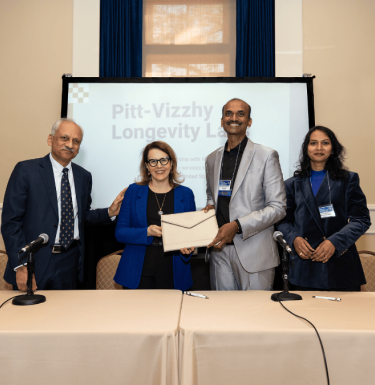
Utilizing AI to Transform Health Care
A new initiative from the University of Pittsburgh School of Medicine and Vizzhy Inc., a global leader in artificial intelligence, aims to transform and revolutionize health care by leveraging AI technology to scale disease management and reduce costs.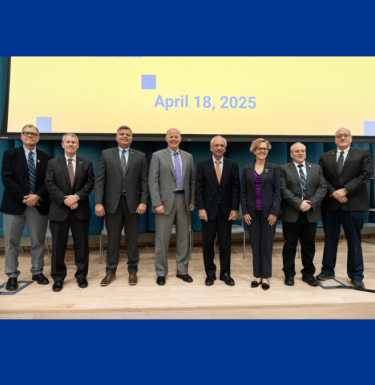
$10 Million Investment from Leidos to Accelerate AI Tools in Health Care
The University of Pittsburgh and the technology company Leidos announced a $10 million partnership to advance Pitt’s Computational Pathology and AI Center of Excellence (CPACE). This partnership merges academic excellence and technological innovation, acting as a catalyst to expand Pitt’s impact in applying AI to health care—both regionally and beyond.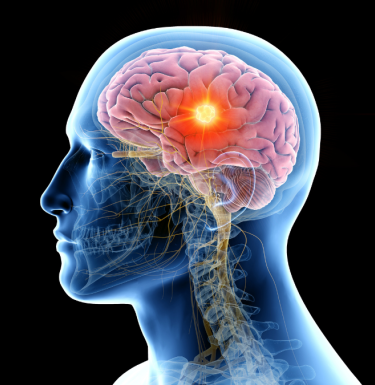
Pitt and CMU Team Selected for $80M Initiative to Study Sensorimotor Interactions
The newly launched Simons Collaboration on Ecological Neuroscience (SCENE) will unite leading scientists across neuroscience and machine learning to discover how the brain performs sensorimotor interactions. Among the six interdisciplinary teams selected for this 10-year initiative are Aaron Batista, Swanson School of Engineering and Xaq Pitkow, Carnegie Mellon University Neuroscience Institute.
Pitt-Greensburg Acquires Nuclear Magnetic Resonance Spectrometer for Undergraduate Research
Jordan Boothe, assistant professor of chemistry at Pitt-Greensburg, was awarded an NSF Major Research Instrumentation award of $156K to acquire a Nuclear Magnetic Resonance spectrometer to support undergraduate research at UPG. The spectrometer allows students to identify molecular markers that affect the genetic characteristics of cells. This is only the fifth NSF award UPG has ever received.
Pitt's Patent Ranking Increases to #14 in the Nation
Pitt has been ranked #14 in the nation for utility patents granted among universities according to the National Academy of Inventors.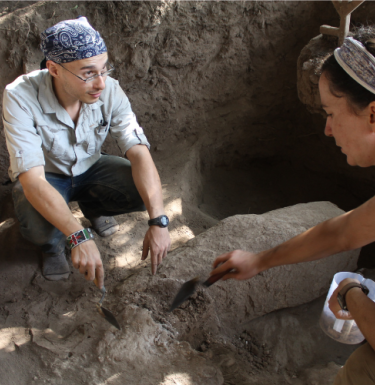
Iron Age Plant Tells New Agricultural Story in Africa
An international team of researchers found 2,300-year-old plant remains in east Africa—the earliest known evidence of plant farming in that region.
Fewer People May Need Statins to Prevent Heart Disease
A new way of determining heart disease risk may lead to millions fewer people being prescribed statins, according to research led by Tim Anderson, School of Medicine.
Magnetic Materials Enable Better Power Electronic Circuits
Modern electronics rely heavily on magnets, but Paul Ohodnicki, Swanson School of Engineering, thinks the average person cannot fully appreciate the role magnets play.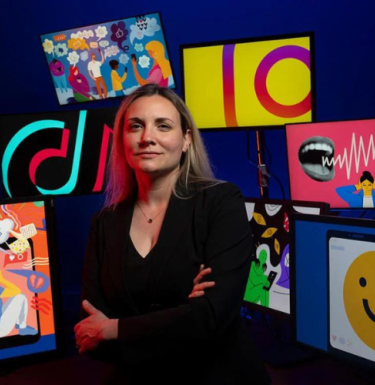
Pitt Researcher Studies Adolescent Mental Health, Social Media Use and Body Image
Sophia Choukas-Bradley, Kenneth P. Dietrich School of Arts and Sciences, has received a prestigious National Science Foundation CAREER Award to better understand the breadth and depth of how teens experience their time online.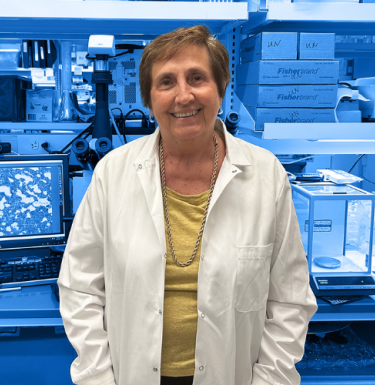
A Shot in the Arm That Can Help Fight Cancer? How Vaccines Show Promise
Olivera Finn, School of Medicine, has been working for four decades on a vaccine to stop cancer before it takes hold. Focused on the MUC1 molecule, Finn is testing the vaccine for colon cancer and breast cancer.